Introduction
Selling a house is a significant decision that involves various factors, especially in a competitive real estate market like Nashua, New Hampshire. This report aims to provide a comprehensive analysis of the house-selling process in Nashua, NH, focusing on market trends, pricing strategies, and the overall experience of homeowners looking to Sell My House Nashua NH their properties. By examining local economic conditions, buyer demographics, and effective marketing strategies, this report will serve as a valuable resource for homeowners considering selling their homes in Nashua.
Overview of Nashua, NH
Nashua, located in Hillsborough County, is the second-largest city in New Hampshire. Known for its rich history, vibrant community, and strategic location near the Massachusetts border, Nashua has become an attractive destination for families and professionals alike. The city boasts a mix of urban and suburban living, with excellent schools, parks, and recreational facilities. As of the latest census, Nashua's population is approximately 90,000, with a diverse demographic that contributes to a dynamic real estate market.
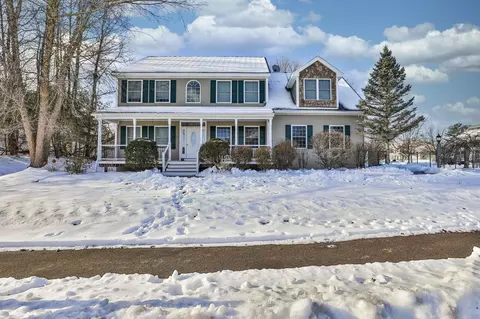
The Nashua Real Estate Market
Current Market Trends
As of 2023, the Nashua real estate market has shown resilience and growth, even in the face of national economic fluctuations. The demand for housing in Nashua remains strong, driven by factors such as low unemployment rates, a growing economy, and the appeal of suburban living. The median home price in Nashua has steadily increased over the past few years, reflecting a trend seen in many parts of New England. According to recent data, the median home price in Nashua is approximately $400,000, with prices varying based on location, property type, and condition.
Supply and Demand Dynamics
The Nashua housing market has experienced a significant imbalance between supply and demand. A shortage of available homes for sale has led to increased competition among buyers, resulting in multiple offer situations and bidding wars. This trend has been particularly pronounced in desirable neighborhoods with good schools and amenities. Sellers are often in a favorable position, as homes are selling quickly, sometimes within days of being listed.
Factors Influencing Home Sales in Nashua
Economic Factors
The local economy plays a crucial role in the real estate market. Nashua benefits from a diverse economy, with a mix of manufacturing, technology, and service industries. The presence of major employers, such as BAE Systems and Nashua Community College, contributes to job stability and attracts new residents. Additionally, the city's proximity to Boston enhances its appeal, as many residents commute to the city for work while enjoying the more affordable housing options in Nashua.
Demographic Trends
The demographics of Nashua are evolving, with a growing population of young professionals and families. This shift has influenced the types of homes in demand, with an increasing preference for single-family homes, townhouses, and condominiums. First-time homebuyers are particularly active in the market, seeking affordable options that meet their needs. Understanding these demographic trends is essential for sellers to position their homes effectively.
Preparing to Sell: Key Considerations
Home Valuation
One of the first steps in the selling process is determining the right asking price for the property. Homeowners can use various methods to assess their home's value, including comparative market analysis (CMA), online valuation tools, and professional appraisals. A CMA involves analyzing recent sales of similar properties in the area to establish a competitive price point. Setting the right price is critical, as overpricing can lead to extended time on the market, while underpricing can result in lost potential revenue.
Home Improvements and Staging
To attract potential buyers, homeowners should consider making necessary repairs and improvements before listing their homes. Simple upgrades, such as fresh paint, landscaping, and minor renovations, can significantly enhance a property's appeal. Additionally, staging the home to highlight its best features can create a welcoming atmosphere for showings. Professional staging services can help homeowners present their properties in the best light, making them more attractive to buyers.
Marketing Strategies for Selling a Home
Online Listings and Social Media
In today's digital age, effective marketing is crucial for reaching potential buyers. Online listings on real estate platforms such as Zillow, Realtor.com, and local MLS (Multiple Listing Service) are essential for visibility. High-quality photographs and detailed descriptions are vital components of an effective online listing. Social media platforms, including Facebook and Instagram, can also be leveraged to reach a broader audience and engage potential buyers.
Open Houses and Showings
Hosting open houses and private showings allows buyers to experience the property firsthand. Open houses can generate interest and create a sense of urgency among potential buyers. Homeowners should work with their real estate agents to schedule these events strategically, ensuring maximum exposure. During showings, sellers should be prepared to answer questions and showcase the property’s unique features.
Working with Real Estate Professionals
Choosing a Real Estate Agent
Selecting the right real estate agent is a critical step in the selling process. Homeowners should look for agents with a proven track record in the Nashua market, strong negotiation skills, and excellent communication abilities. A knowledgeable agent can provide valuable insights into market trends, pricing strategies, and effective marketing techniques. Homeowners should interview multiple agents to find the best fit for their needs.
The Role of Real Estate Attorneys
In New Hampshire, real estate transactions often involve legal complexities. Engaging a real estate attorney can help homeowners navigate the legal aspects of selling their homes, including contract review, title searches, and closing procedures. An attorney can provide peace of mind, ensuring that all legal requirements are met and protecting the seller's interests throughout the transaction.
The Selling Process: Step by Step
Listing the Property
Once the homeowner has prepared the property and selected a real estate agent, the next step is to list the home on the market. The agent will create a comprehensive listing that includes essential details about the property, high-quality photographs, and marketing materials. The listing will be shared through various channels to maximize exposure.
Receiving Offers and Negotiation
As potential buyers express interest, the homeowner will begin receiving offers. The agent will help evaluate each offer, considering factors such as price, contingencies, and closing timelines. Negotiation is a critical phase, where the seller and buyer may engage in back-and-forth discussions to reach a mutually agreeable price and terms.
Closing the Sale
Once an offer is accepted, the closing process begins. This phase involves various steps, including inspections, appraisals, and finalizing financing. The seller will work closely with their agent and attorney to ensure all necessary documents are prepared and submitted. Closing typically takes place at a title company or attorney's office, where the final paperwork is signed, and ownership is transferred to the buyer.